
Walking is the most accessible form of exercise out there. No fancy equipment, gym membership, or intense motivation required. Just a pair of shoes (or none at all, if you’re bold), and a few minutes of your time.
But don’t let its simplicity fool you. Walking, when done regularly, can change your life in ways you might not expect. From boosting heart health to improving mental clarity, walking is a low-risk, high-reward habit backed by decades of scientific research.
Here’s a deep look at what walking can do for your body, mind, and overall well-being—and why it deserves a permanent place in your daily routine.
10 Reasons You Should Start Walking Today!

1. Walking Improves Cardiovascular Health
One of the most well-documented benefits of walking is its positive effect on the heart. A regular walking routine can help reduce the risk of heart disease and stroke.
According to the American Heart Association, brisk walking for just 30 minutes a day can help lower blood pressure, improve circulation, and reduce bad cholesterol (LDL) while increasing good cholesterol (HDL) (American Heart Association, 2023).
A 2020 study published in the British Journal of Sports Medicine analyzed data from over 50,000 adults and found that walking at a brisk pace was linked to a 24% lower risk of cardiovascular disease mortality (BJSM, 2020).
2. Supports Weight Management
Walking burns calories and boosts your metabolism. It’s not as intense as running or cycling, but it adds up—especially when done consistently.
The Mayo Clinic states that a 160-pound person burns roughly 314 calories an hour walking at 3.5 mph. That’s over 2,000 calories a week if you walk an hour a day (Mayo Clinic, 2023).
More importantly, walking helps regulate appetite-related hormones. A study from the Journal of Endocrinology found that even a 15-minute walk can reduce cravings for sugary snacks (JE, 2015).

3. Boosts Mental Health
Walking doesn’t just lift your heart rate—it lifts your mood. Research shows it can reduce symptoms of depression, anxiety, and stress.
A 2021 meta-analysis in Mental Health and Physical Activity found that walking significantly reduced depression symptoms, especially when done in nature (also known as “green walking”) (MHPA, 2021).
Regular walks also enhance creativity and problem-solving. A Stanford University study found that people who walked (especially outdoors) were more creative than those who sat while working on tasks (Stanford, 2014).
4. Enhances Brain Function and Memory
Walking increases blood flow to the brain, which helps improve cognitive function and delay age-related decline.
According to Harvard Health Publishing, walking can stimulate the release of brain-derived neurotrophic factor (BDNF), a protein that supports brain health and reduces the risk of cognitive diseases like Alzheimer’s (Harvard Health, 2021).

In a study published in Neurology, older adults who walked at least 4,000 steps a day showed stronger memory and better executive function compared to less active peers (Neurology, 2020).
5. Reduces Risk of Chronic Diseases
Consistent walking is linked to lower risk of several chronic conditions, including:
Type 2 Diabetes: The CDC recommends at least 150 minutes of moderate walking weekly to lower blood sugar and increase insulin sensitivity (CDC, 2023).
Cancer: A study from the American Cancer Society found that regular walking is associated with reduced risk of breast and colon cancer, even in people who don’t do other forms of exercise (ACS, 2017).
Osteoarthritis: Walking helps lubricate joints and strengthen the muscles that support them, which can ease pain and stiffness from arthritis.
6. Improves Sleep Quality
People who walk regularly fall asleep faster and enjoy deeper sleep. A study from Sleep Health found that adults who walked more during the day reported better sleep at night, particularly in terms of sleep duration and quality (Sleep Health, 2016).
The rhythm and consistency of walking also regulate the body’s circadian rhythms, making it easier to wind down at night.

7. Strengthens Muscles and Bones
Walking helps maintain bone density and build strength in the legs, hips, and lower back. It’s a weight-bearing activity, which is essential for keeping bones strong as we age.
The National Institute on Aging recommends walking as a key part of any bone-health strategy, particularly for adults over 50 (NIA, 2023).
8. Boosts Immunity
Walking can actually make you less likely to get sick. A 2011 study from Medicine & Science in Sports & Exercise found that people who walked 20 minutes a day, five days a week, had 43% fewer sick days than sedentary individuals (MSSE, 2011).
Walking stimulates immune cell production, helping your body respond more effectively to infections.
9. Lowers Inflammation
Chronic inflammation is tied to nearly every major disease—heart disease, cancer, Alzheimer’s, and more. Walking, especially at a moderate pace, can help reduce markers of inflammation in the body.
A study published in Brain, Behavior, and Immunity showed that just 20 minutes of walking can lower inflammatory responses (BBI, 2017).
10. It’s Sustainable and Easy to Stick With
Unlike many fitness routines that require a gym, coach, or expensive equipment, walking is free. And because it’s low-impact, it’s less likely to cause injury, making it sustainable long-term.
More importantly, it can be built into your existing life. Walk while listening to a podcast. Walk after meals. Walk with a friend or your dog. It doesn’t need to be a big event.
The CDC notes that walking is the most common form of physical activity among adults, partly because of its low barrier to entry (CDC, 2022).
Pro Tips to Get the Most Out of Walking
- Walk briskly: Aim for a pace where you can talk but not sing.
- Use proper form: Keep your head up, shoulders relaxed, arms swinging.
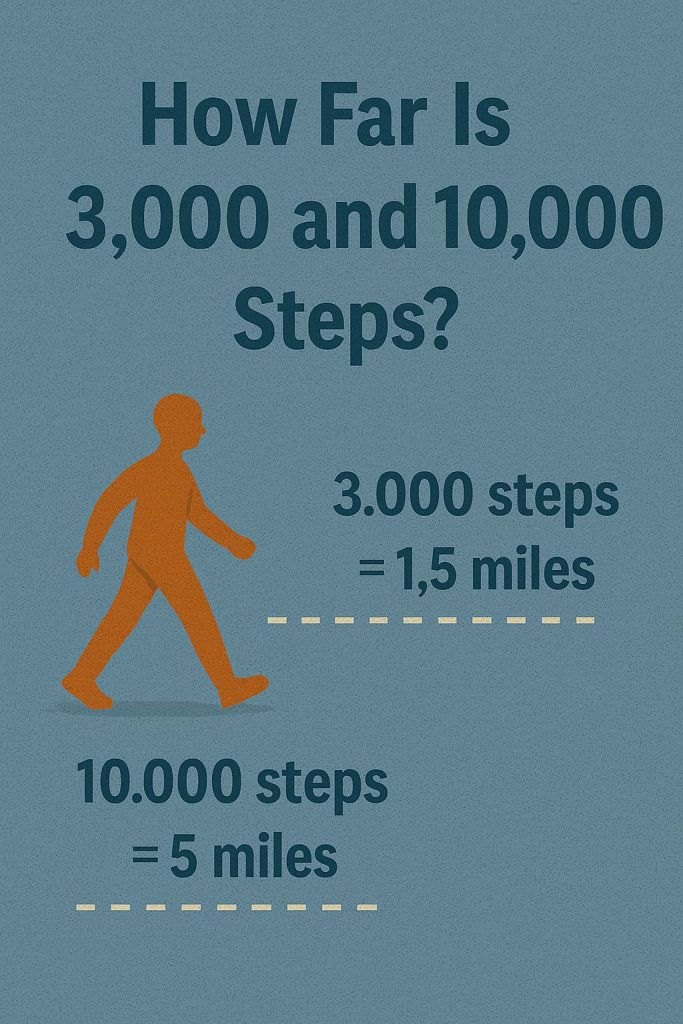
- Set a goal: 7,000 to 10,000 steps per day is a great target, but even 3,000 is a good start.
- Walk outdoors: Nature enhances the mental health benefits.
- Be consistent: Daily is best, but even 3–4 times per week can make a big difference.
Final Word
Walking isn’t just for when you’re too tired to do a “real” workout. It is a real workout—one with profound benefits for your heart, mind, muscles, and lifespan. It’s simple, underrated, and scientifically proven to make your life better.
So go ahead—take that walk. Your body (and your brain) will thank you!
Sources:
- 1. American Heart Association – www.heart.org
- 2. Mayo Clinic – www.mayoclinic.org
- 3. Centers for Disease Control and Prevention – www.cdc.gov
- 4. Harvard Health Publishing – www.health.harvard.edu
- 5. British Journal of Sports Medicine – bjsm.bmj.com
- 6. Journal of Endocrinology – joe.bioscientifica.com
- 7. Sleep Health Journal – sleephealthjournal.org
- 8. Medicine & Science in Sports & Exercise – acsm-msse.org
- 9. Neurology – n.neurology.org
- 10. Brain, Behavior, and Immunity – sciencedirect.com